
No products in the cart.
Bring Premium Value to Your Brand with a Trusted Custom Packaging Manufacturer
Home » Manufacturing » Custom Packaging Printing Methods
Selecting the correct production pathway is the most critical decision in your packaging supply chain. Instead of forcing every brand into a rigid, one-size-fits-all execution, we balance setup economics against visual fidelity. Consequently, whether you are launching a localized e-commerce startup or scaling an international retail rollout across Europe and North America, our printing lines are optimized to minimize your total cost of procurement.
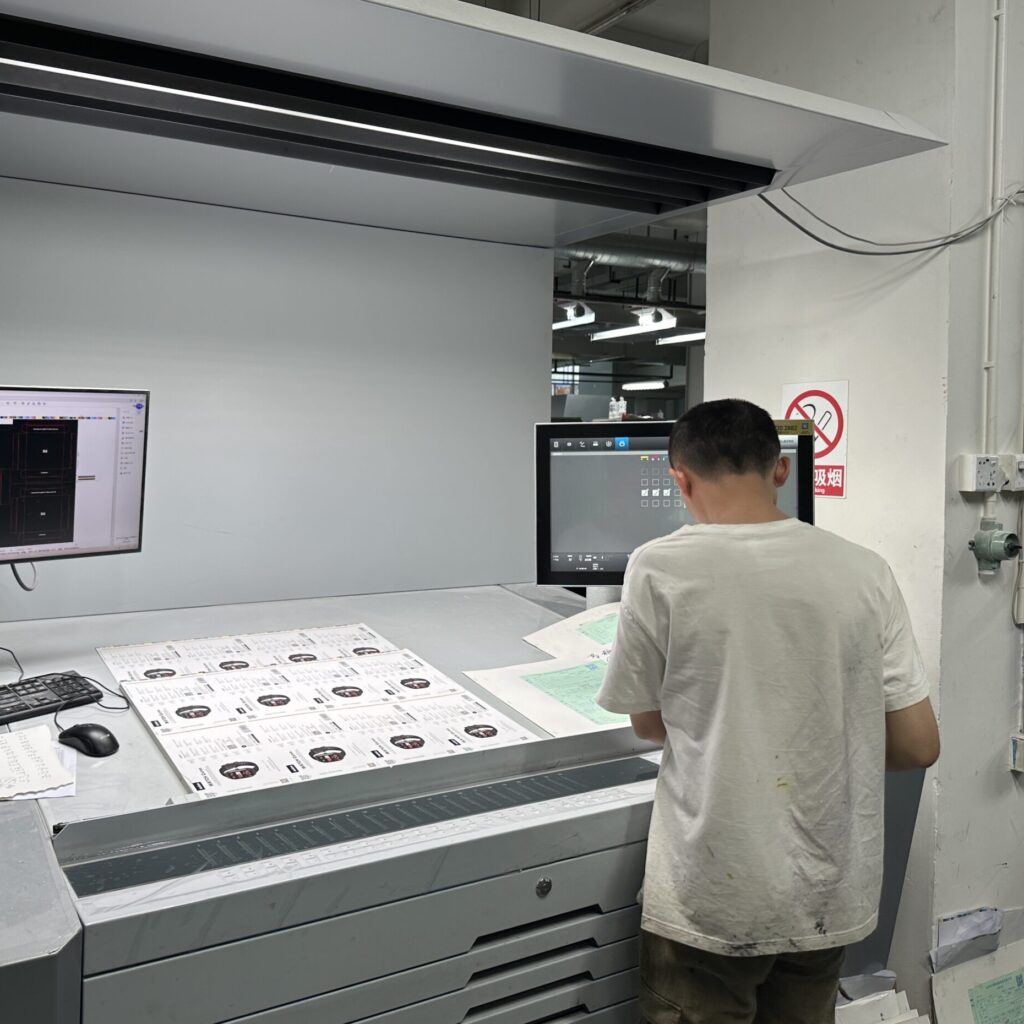
Best For: Massive retail production runs (MOQ 1,000+ units) demanding maximum profit margins.
The Technology: Uses custom-etched aluminum plates and indirect rubber blankets to stamp liquid inks onto paperboards with flawless halftone dot matrices.
Core Benefit: Your per-box cost plummets drastically as volume scales, delivering unmatched unit economics.
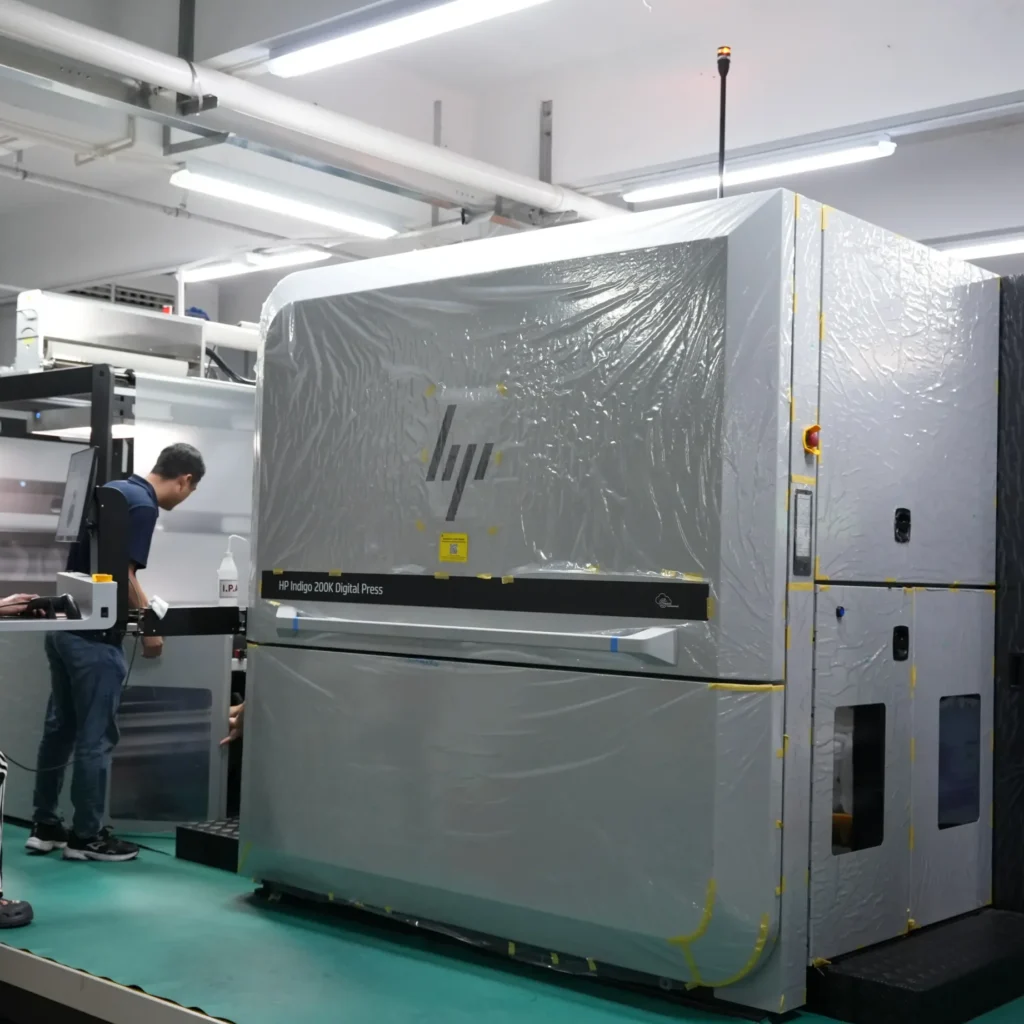
Best For: Agile product launches, dynamic prototyping, and multi-SKU variations with zero MOQ boundaries.
The Technology: Software-driven piezo inkjet arrays stream vector graphics frame-by-frame directly onto the cardboard substrate.
Core Benefit: Eliminates upfront tooling fees entirely while natively supporting on-demand variable data changes.
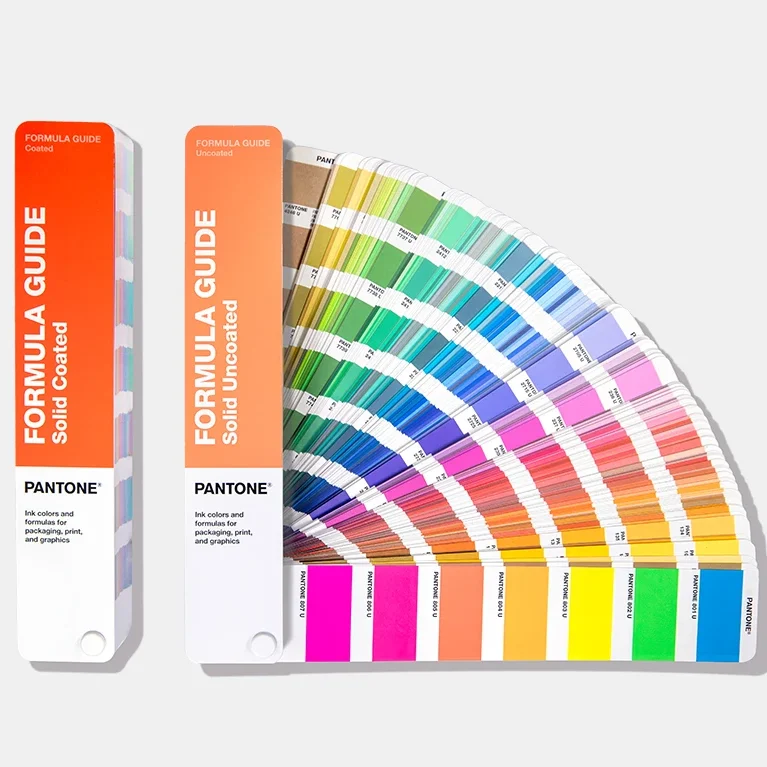
Best For: Luxury cosmetic, tech, and corporate brands requiring absolute color uniformity.
The Technology: Chemically pre-mixes solid, vibrant liquid pigments to exact mathematical recipes in our lab before machine application.
Core Benefit: Guarantees a strict color threshold of Delta E < 1.5, producing perfectly flat background solids completely free of digital grain.
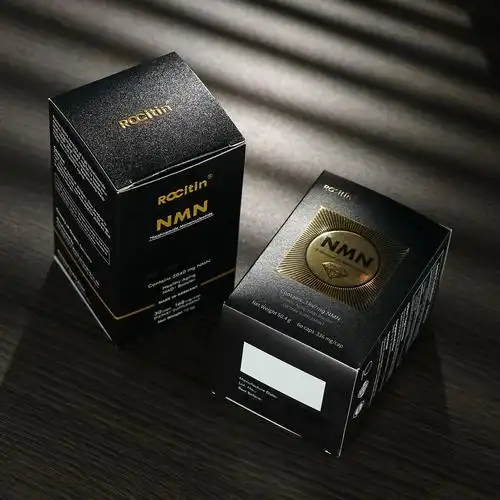
Best For: High-contrast premium retail displays and industrial scratch resistance.
The Technology: Photochemical LED arrays instantly solidify specialized reactive polymers, turning liquids into hard, reflective matrices.
Core Benefit: Creates striking, touchable 3D textures like mirror-glass Spot UV and frosted Drip Effect Reverse UV patterns.
1,000 Units +
Lowest Per-Unit Wholesale Cost
Zero Setup Capital & Rapid Turnaround
Opaque, Solid Solids with Zero Grain
High-Contrast 3D Tactile Textures
Yes, combining multiple printing lines is a standard practice for premium, high-tier retail setups. Because our industrial facility houses all four technologies inline, a single package can undergo a hybrid execution. For example, we frequently run a high-volume offset pass to manage complex photographic imagery, deploy a 5th station for a Pantone spot color to lock in your corporate logo, and subsequently pass the sheets through an inline LED-UV array to apply a raised, tactile Spot UV coat over specific design elements. This synchronized workflow optimizes both cost and luxury shelf presence.
The choice depends entirely on your initial inventory volume and SKU architecture. Unlike digital printing, traditional offset requires a static upfront investment for metal plates and press calibration. Therefore, if you are launching under 500 boxes to test market feedback, digital processing is the most capital-efficient path since it carries zero tooling risk. Conversely, once your recurring distribution volume scales past 1,000 units, the initial plate fees are completely diluted by the ultra-low marginal cost of offset ink and paper, making offset the superior choice for maximizing wholesale profit margins.
Sustainability is integrated into every stage of our manufacturing framework. We have completely phased out outdated petroleum-based industrial inks across our offset and Pantone divisions, replacing them with certified soy-based sustainable liquid pigments. Moreover, our high-velocity UV lines utilize VOC-free solidifying polymers that eliminate hazardous atmospheric solvents. All varnishes, adhesives, and paperboard substrates deployed pass strict international auditing, ensuring your packaging effortlessly clears European REACH/RoHS criteria and US FDA indirect food contact standards.
Lead times are governed by the mechanical setup requirements of each process. Because digital printing requires zero mechanical tooling, it is our fastest pathway, typically dispatching within 2 to 4 business days. However, traditional offset and Pantone printing runs require a more structured timeline of 10 to 15 business days. This variance accounts for laser plate-etching, ink-fountain chemical calibration, and inline material handling. Incorporating specialized UV finishes or complex tactile coatings generally adds only 1 additional business day due to our automated LED instant-curing arrays.
Substrate mechanics heavily influence printing compatibility. First of all, raw unbleached kraft and highly porous corrugated fiber absorb traditional liquids rapidly, which can cause digital toners or fine offset halftones to appear slightly muted. To counter this, we utilize high-opacity Pantone spot inks or specialized UV-cured primers that sit firmly on top of porous fibers. For dense greyboard frames used in rigid boxes, graphics are almost exclusively printed onto thin art paper sheets via offset or Pantone lines before being wrapped mechanically around the structural core.
To protect your capital investment, we offer a multi-tiered validation pipeline. First of all, we provide 2D digital vector proofs and 3D PDF renders to verify structural panels and graphic orientations. For physical validation, we can output unprinted structural white samples to test dimensional tolerances, or software-driven digital color proofs. Importantly, since digital inkjet proofing operates differently than an industrial offset press, brands with zero color tolerance can request a paid, on-machine press proof using actual aluminum production plates and pre-mixed Pantone spot pigments.
Our pre-press engineering division mandates vector-based artwork files delivered in unflattened .AI, .PDF, or .EPS formats. Consequently, all critical text assets must be converted to outlines to prevent font rendering conflicts. Your file layers must keep structural dielines, artwork graphics, and premium finishing masks (such as Spot UV or hot foil stamping zones) completely separated and clearly labeled. Finally, all image links must be embedded at a minimum resolution of 300 DPI, and the entire document color canvas must be set to CMYK or designated Pantone Matching System (PMS) codes rather than RGB digital profiles.
Bypass the guesswork of packaging production. Submit your structural design files and volume targets to our commercial engineering desk, and our team will map out an optimized, multi-tier manufacturing blueprint tailored to your timeline and budget.
Free Dieline Structural Audit: Our pre-press engineers will evaluate your vector artwork layers to ensure perfect trapping, font legibility, and bleed lines.
Tiered Pricing Formulations: Receive an itemized quotation comparing production footprints across digital, offset, and custom spot-color setups.
Global Logistics Integration: Secure seamless factory-direct shipping options from our production facilities to your distribution hubs in North America, Europe, or Asia.
Tel:+86 13723475723
Add:building 10, zone 14th, taoyuanju, xixiang street, Bao'an district, Shenzhen, 518126, China
Connect us by scan whatsApp

CUSTOM PACKAGING SUPPLIER FOR COSMETIC, GIFT, FOOD AND SHIPPING | 2026 COPYRIGHT BY GERUN PACKAGING
Tell us your packaging requirements and receive a reply within 12 hours.