No products in the cart.
Bring Premium Value to Your Brand with a Trusted Custom Packaging Manufacturer
When a glossy commercial finish alienates your environmentally aware audience, raw wood fibers bridge the gap. Consequently, modern sustainable brands opt for premium woodfree uncoated paper to project transparency and organic luxury. First of all, this material completely lacks artificial clay coatings, exposing the natural, glare-free texture of the underlying pulp. Secondly, because liquid inks sink directly into the porous matrix, your graphics take on a warm, muted appearance that feels inherently vintage, artisanal, and authentic.
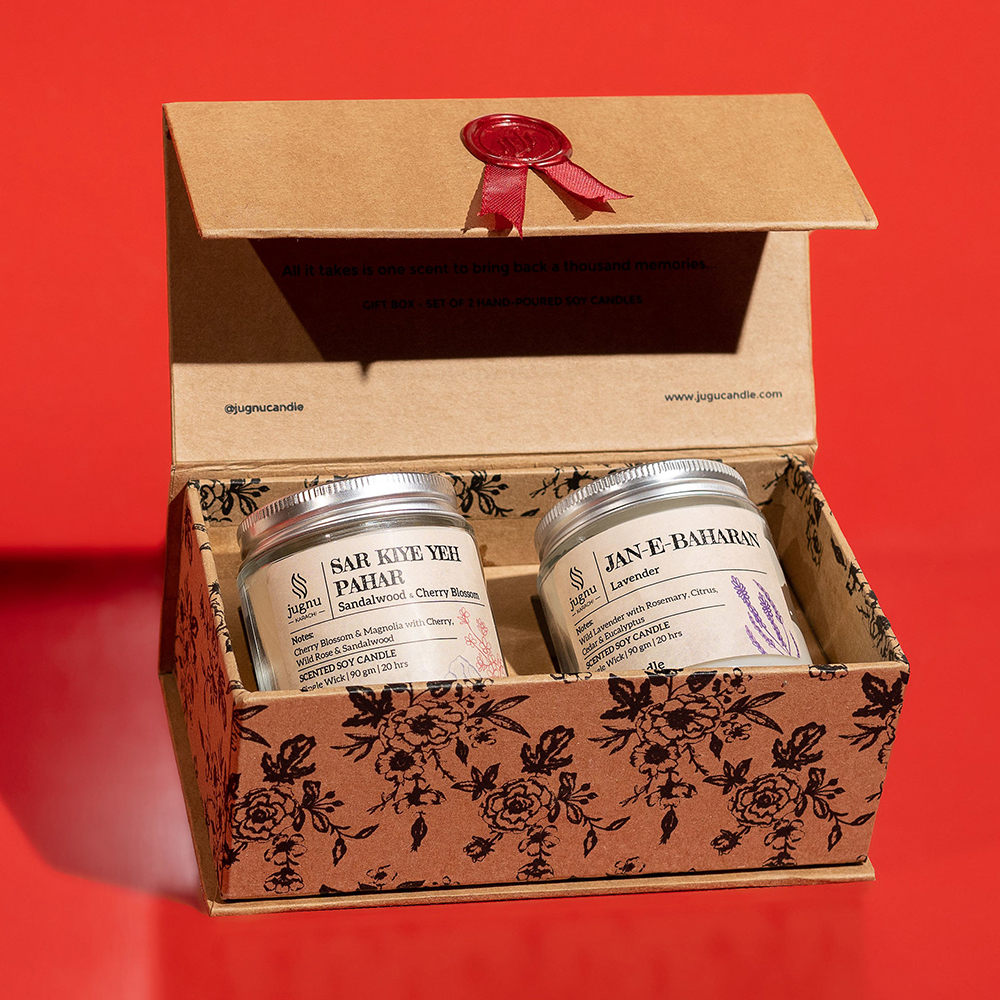
Wrap heavy industrial greyboard in unbleached eco friendly organic kraft stock to create high-end, rustic gift boxes that look beautifully hand-crafted.
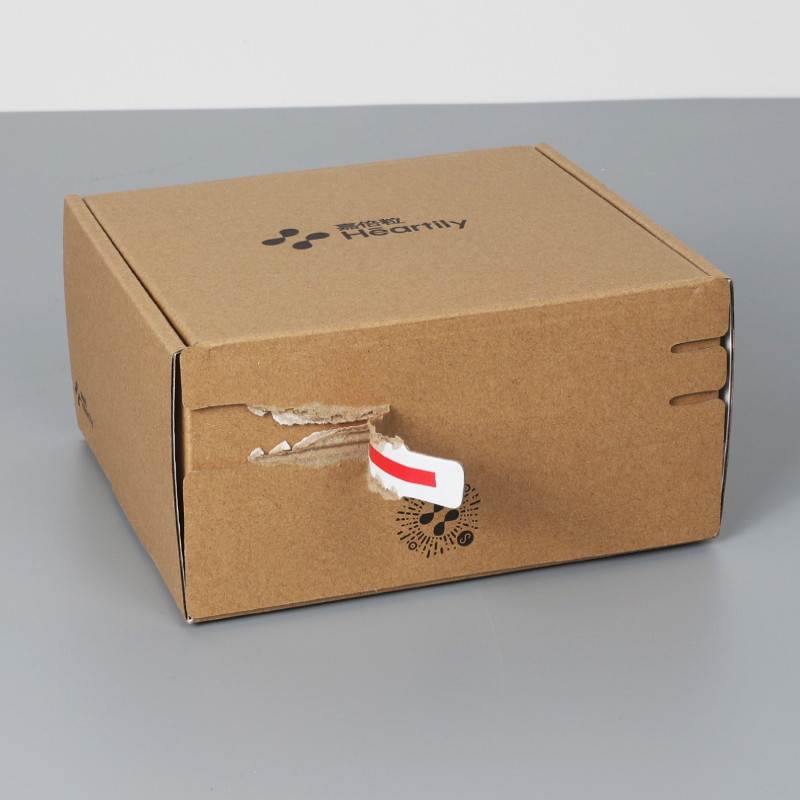
Form sturdy subscription boxes using heavy uncoated testliner sheets that display highly legible, glare-free brand instructions on the interior flaps.
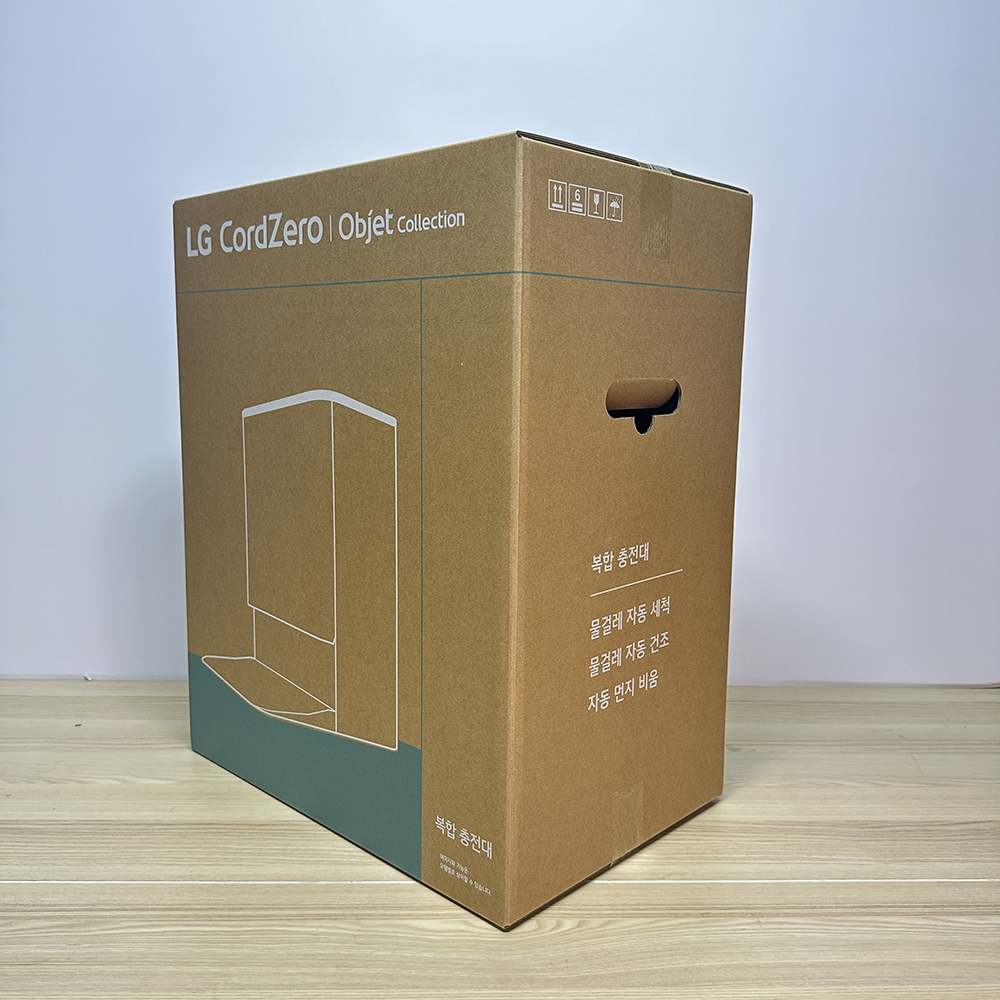
Layer organic uncoated kraft linerboards onto double-wall corrugated structures to assemble rugged, plastic-free shipping boxes that survive heavy transit.
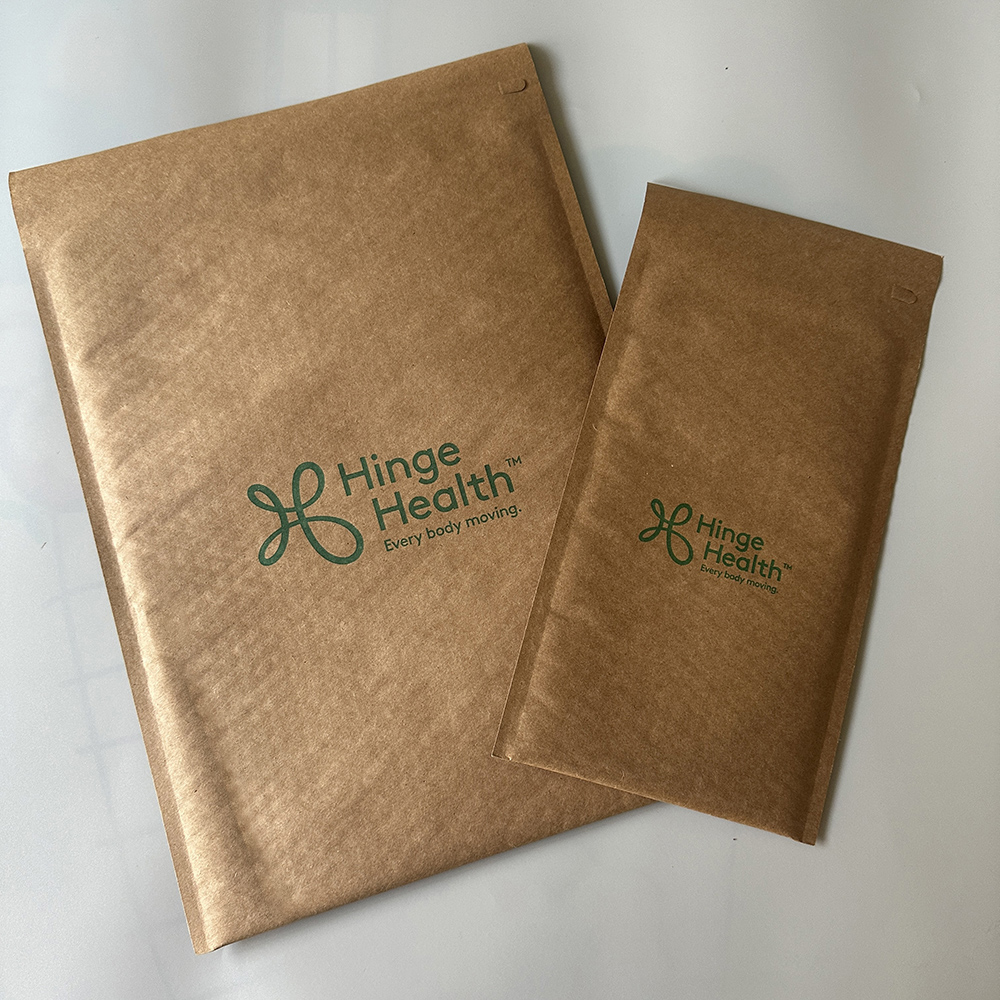
Manufacture lightweight, highly flexible documentation pouches out of high-density offset paper that allows couriers to write delivery notes directly onto the surface.
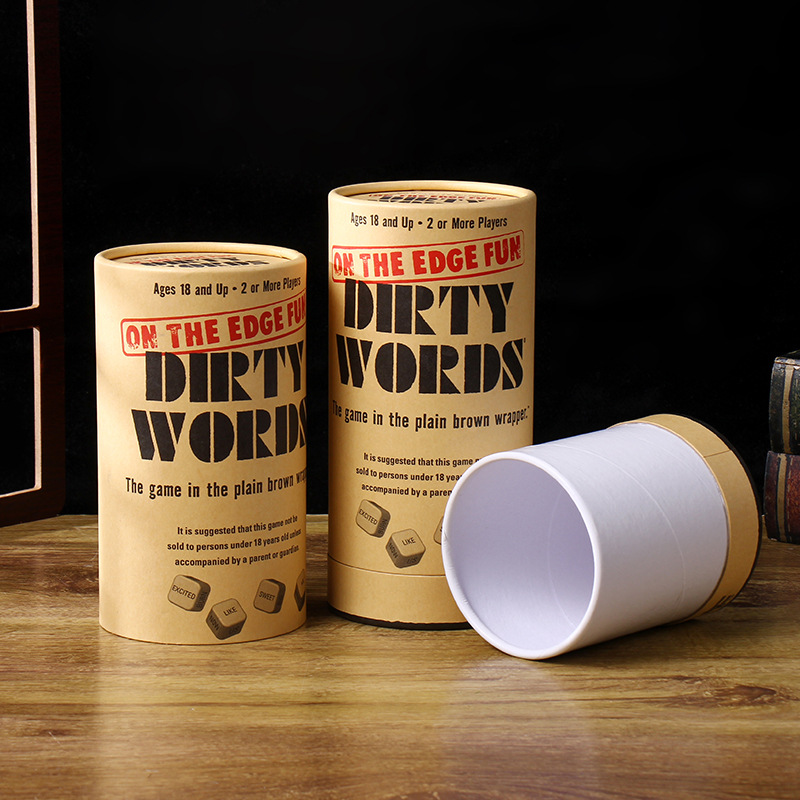
Spin raw, unbleached uncoated paper bands into heavy-duty composite cans to protect loose leaf teas, organic spices, and natural powder cosmetics.
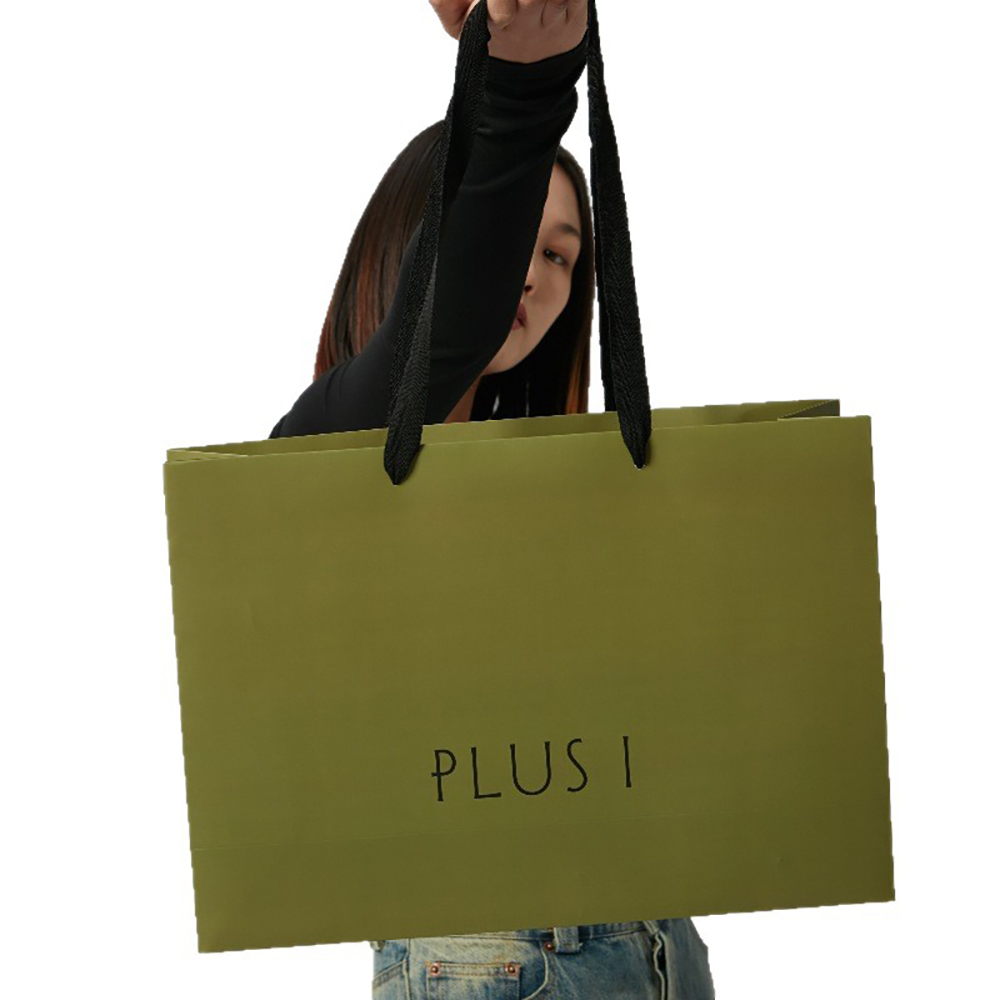
Fold 250gsm ivory sheets into premium boutique carrier bags that hold heavy retail garments without tearing the bottom gusset.
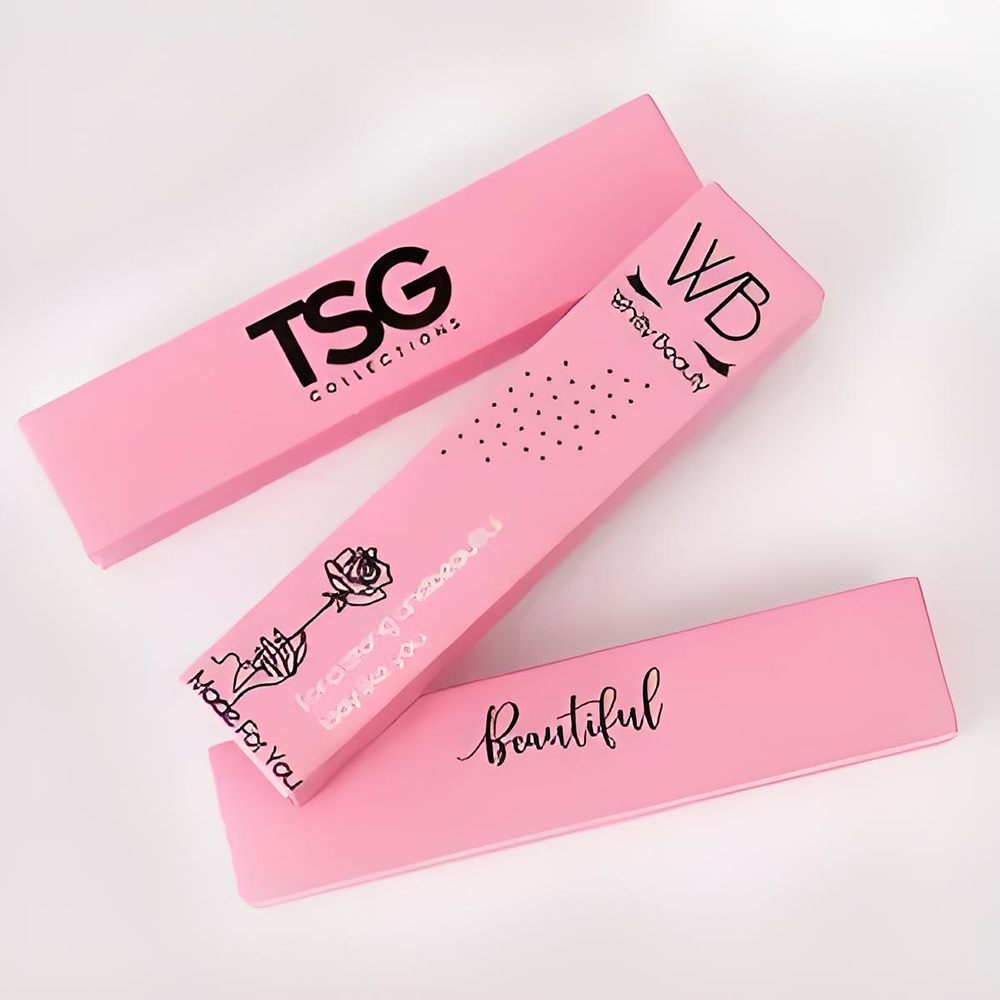
Package clean, chemical-free skincare lines in minimalist white woodfree cartons decorated with muted, earth-toned botanical illustrations.
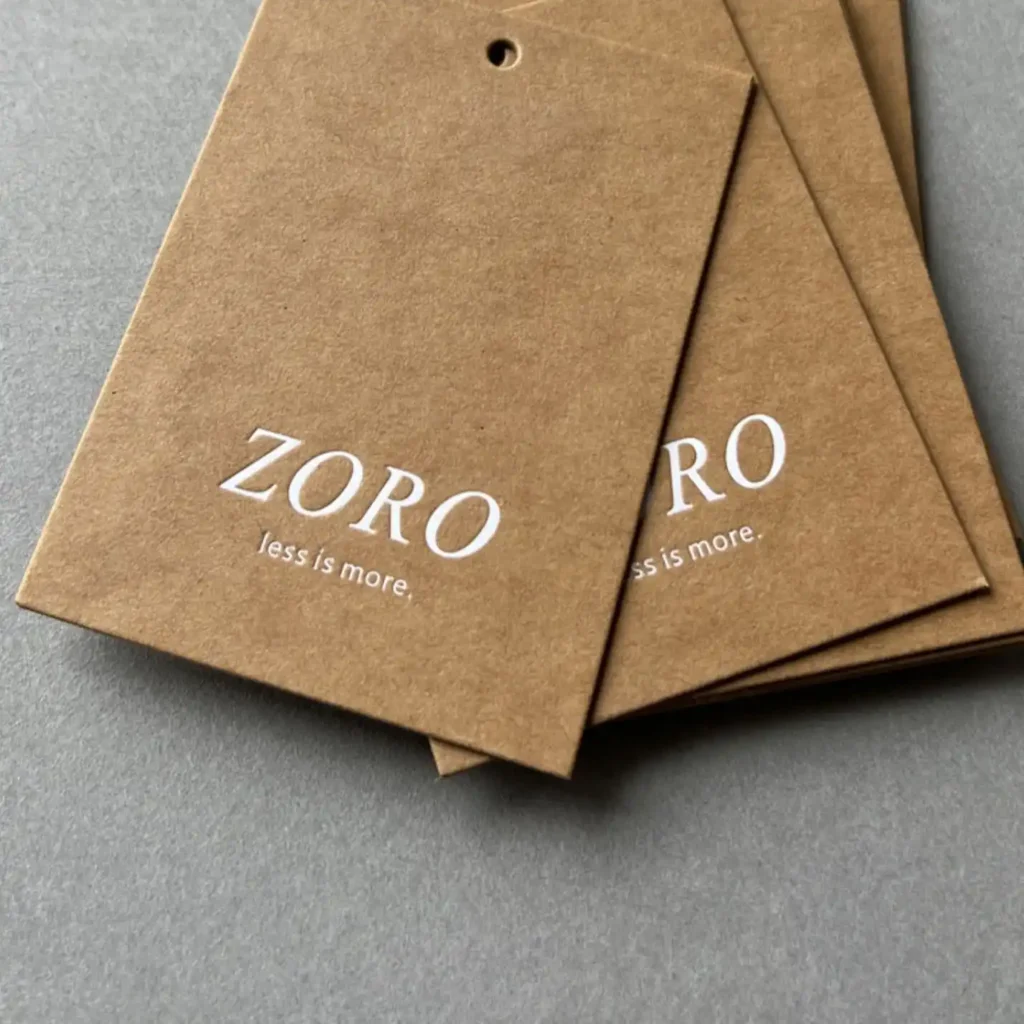
Create earthy garment presentation boxes and unbleached hangtags that reinforce an ethical, slow-fashion brand identity.
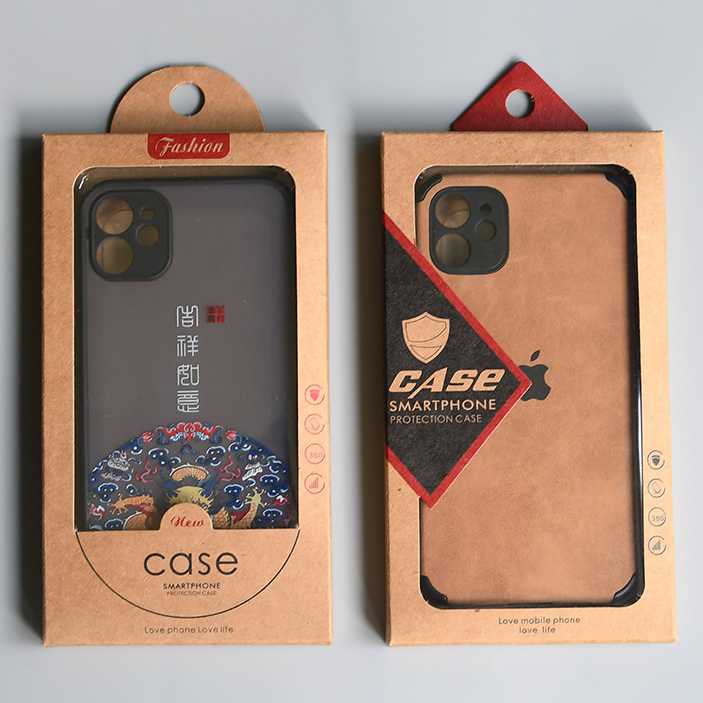
Line high-tech hardware boxes with soft, molded pulp inserts wrapped in smooth uncoated kraft sheets to replace non-biodegradable foams.
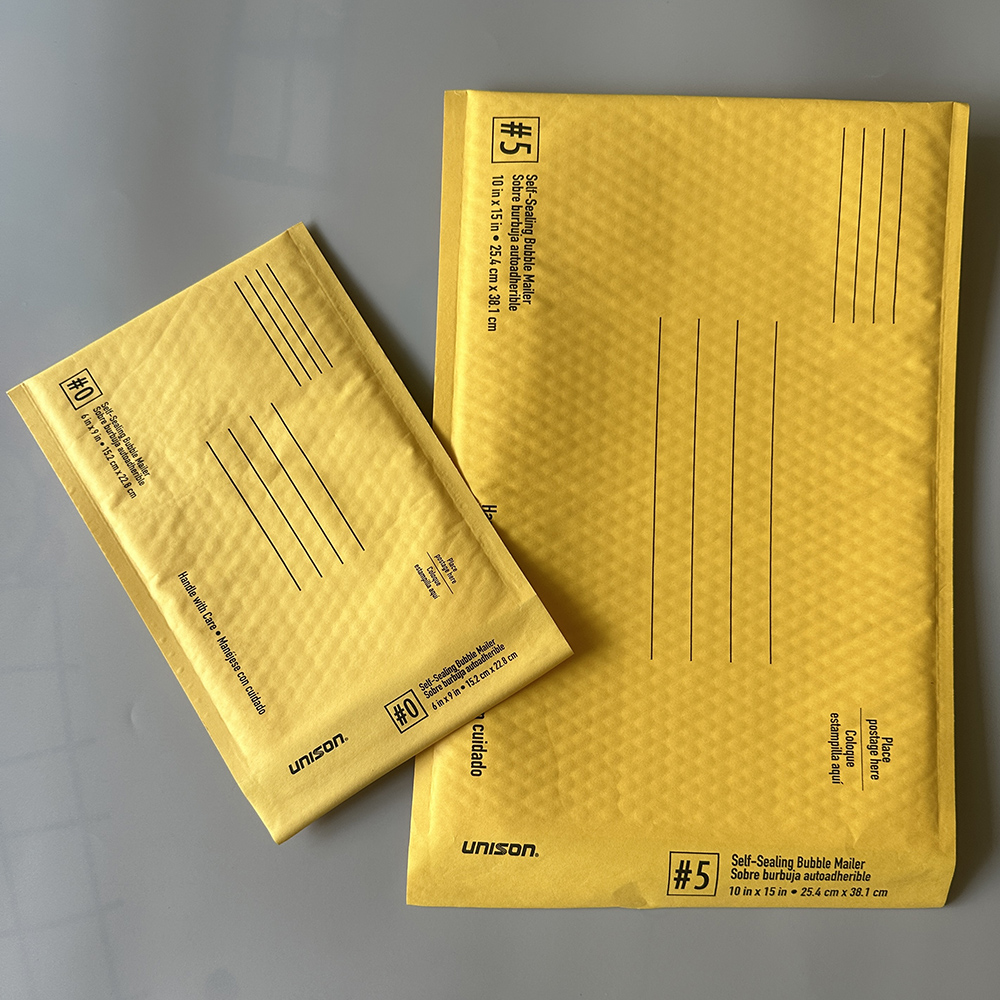
Ship direct-to-consumer goods in rustic, fully compostable uncoated paper envelopes that emphasize plastic-free shipping promises.
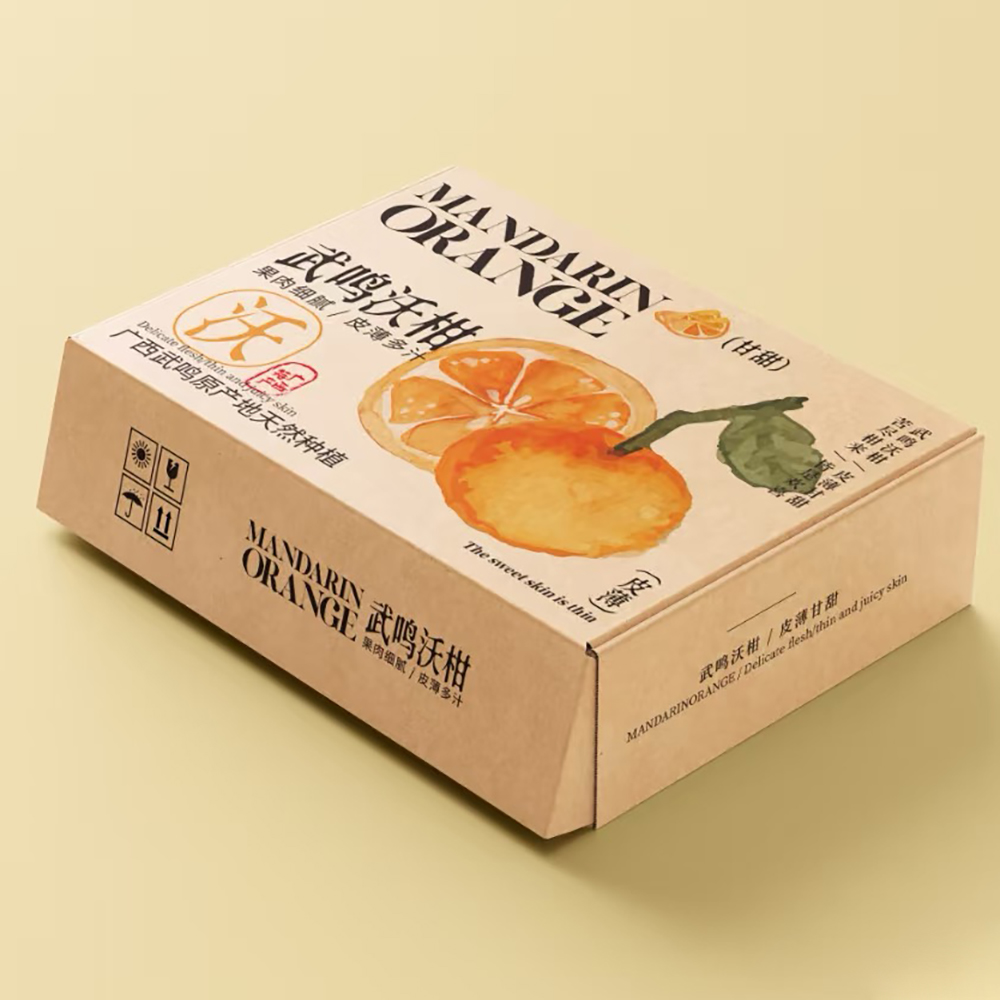
Utilize unbleached, chemical-free uncoated food kraft paper to build direct-contact packaging for artisanal bread, whole bean coffee, and organic grains.
Full CMYK Graphic Cartons
High-Definition Photography Wraps
High-Contrast Metallic Foil Stamping
Minimalist Solid Ink & Opaque Screening
Because uncoated paper lacks a sealed clay coating, its raw wood fibers act like a sponge. When our presses apply liquid CMYK inks, the paper absorbs the pigment deep into its core rather than locking it on the surface. As a result, colors lose a bit of brilliance and take on a soft, muted, vintage aesthetic.
Woodfree paper undergoes a chemical cooking process that removes lignin (the element that turns paper yellow over time), leaving a pure white, durable sheet. Conversely, Kraft paper utilizes a mechanical pulping method that retains natural wood fibers. Therefore, we recommend woodfree for pristine white minimalist looks and kraft for earthy, rustic brown designs.
You can achieve highly artistic, low-contrast photographic prints, but they will not look razor-sharp or glossy. Unlike smooth coated papers that mirror digital screens, natural tactile texture sheets soften image details. Consequently, we suggest using uncoated stock for vector illustrations, bold typography, and minimalist line art rather than highly detailed product imagery.
It handles manual marking better than any other packaging material on the market. First of all, the unsealed fiber matrix instantly absorbs fountain pen ink, stamps, and marker fluids without smudging. Secondly, adhesives from barcode labels bond permanently to the porous surface. Subsequently, it stands as the absolute best choice for warehouse fulfillment boxes.
Yes, it represents the gold standard of circular-economy packaging. Because we do not apply plastic laminations or mineral clay coatings to these sheets, the bare paper fibers break down swiftly in municipal composting systems. Furthermore, it dissolves quickly in standard water-based paper recycling pulpers, generating zero toxic chemical waste.
High-gloss packaging can sometimes communicate a corporate, over-processed vibe to modern consumers. Conversely, uncoated packaging instantly signals environmental authenticity, small-batch luxury, and organic purity without saying a word. Therefore, brands gladly trade high color vibrance for the profound consumer trust that raw tactile paper builds.
Get in touch with a Gerun structural specialist to configure your packaging solution. Whether your upcoming campaign requires a specialized deep profile, special paper packaging, or flat-pack engineering to reduce freight costs, we deliver accurate quotes within 24 hours. Complete the form below to claim your structural consultation and custom dieline blueprint.
Tel:+86 13723475723
Add:building 10, zone 14th, taoyuanju, xixiang street, Bao'an district, Shenzhen, 518126, China
Connect us by scan whatsApp

CUSTOM PACKAGING SUPPLIER FOR COSMETIC, GIFT, FOOD AND SHIPPING | 2026 COPYRIGHT BY GERUN PACKAGING
Tell us your packaging requirements and receive a reply within 12 hours.