
No products in the cart.
Bring Premium Value to Your Brand with a Trusted Custom Packaging Manufacturer
Home » Manufacturing » Finishes » Reverse UV
In modern luxury retail, traditional spot coating often falls short of creating a true dimensional breakthrough. Consequently, progressive brands look for advanced print engineering techniques that create deep, physical sensory contrasts on a flat surface. This search leads directly to the industrial mastery of reverse UV printing, which is also widely recognized across global printing plants as the pro-cure or drip-effect process. But what is the chemical mechanics behind this finish, and how does it revolutionize product shelf presence?
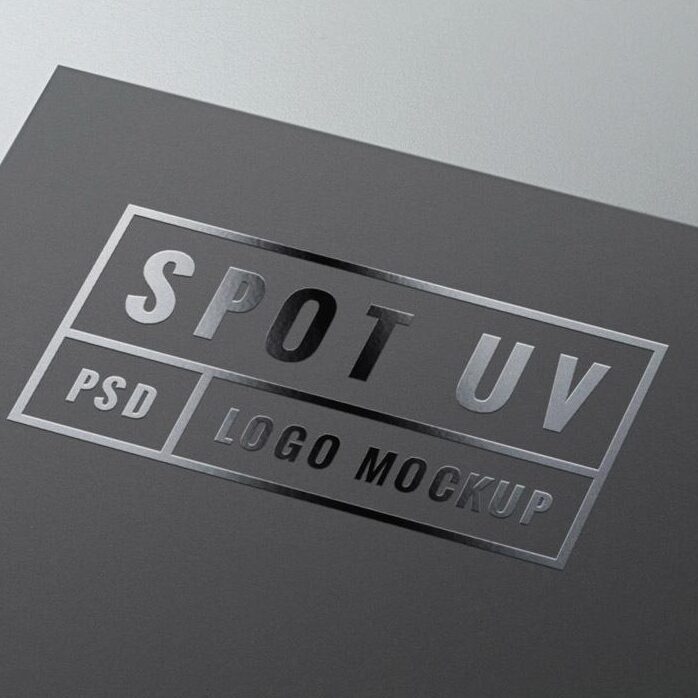
In simple terms, this high-end inline process relies on a striking chemical rejection principle between two distinct varnishes applied in a single pass through an offset printing press. First of all, our press operators lay down a specialized, oil-based matte base varnish through a standard ink fountain onto specific zones of the printed cardstock. Afterward, while this base varnish remains wet, the press coats the entire sheet with a water-based, high-gloss UV topcoat. As a result, where the wet gloss coating meets the oil-based matte zones, a chemical rejection happens. The gloss topcoat slides off, beads up, and cures into an industrial, grainy high contrast sand matte varnish texture. On the other hand, on the bare paperboard areas where no matte base was printed, the gloss cures into a perfectly smooth, mirror-like drip effect spot gloss coating.
Secondly, this inline method completely removes the costly setup steps of traditional silk-screen spot UV printing. At Gerun Packaging, we run computer-controlled multi-station printing presses equipped with instant-cure curing systems. Therefore, we guarantee flawless registration alignment on every bulk run, delivering textured tactile folding cartons that command immediate buyer attention on crowded commercial retail shelves worldwide.
Because both varnishes apply inline during a single pass through the offset machine press, the registration alignment between the matte frosted zones and shiny mirror elements achieves absolute micro-level precision down to 0.1mm.
This technique generates an organic, sand-grain feel that feels like premium frosted glass or volcanic stone. Consequently, it adds an high-end tactile property that pushes customers to interact with your box longer.
Unlike slow, separate silk-screen methods, this inline chemistry operates at ultra-high machine speeds. As a result, it slashes processing times and drastically drops unit production costs for heavy B2B production volumes.
The dual-cured polymer surface forms a tightly cross-linked chemical barrier. Subsequently, it shields your underlying corporate graphics against rough packing friction, transport scuffs, and retail shelf wear.
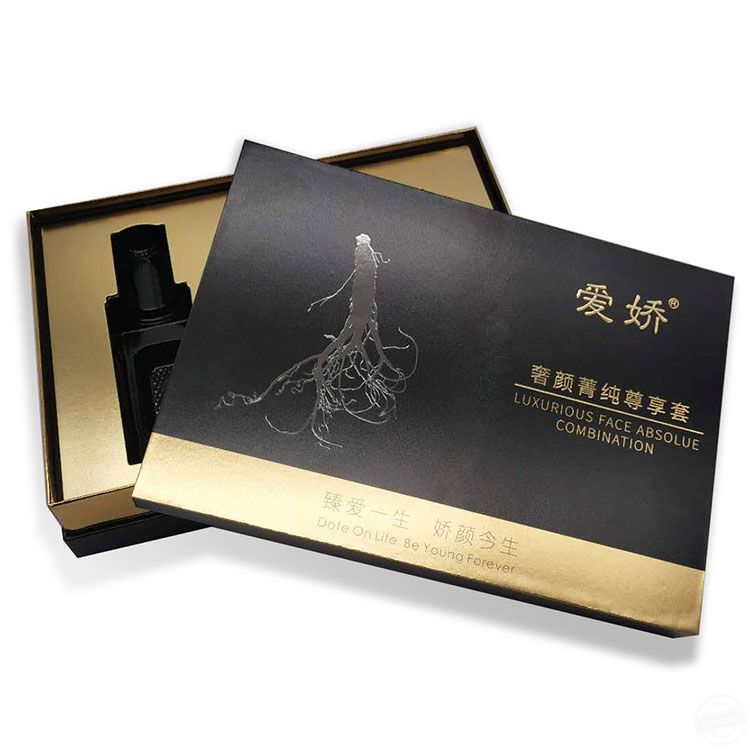
Apply a full-surface pattern over heavy greyboard wrap paper, allowing shiny leaf motifs to pop out from a heavily frosted matte background.
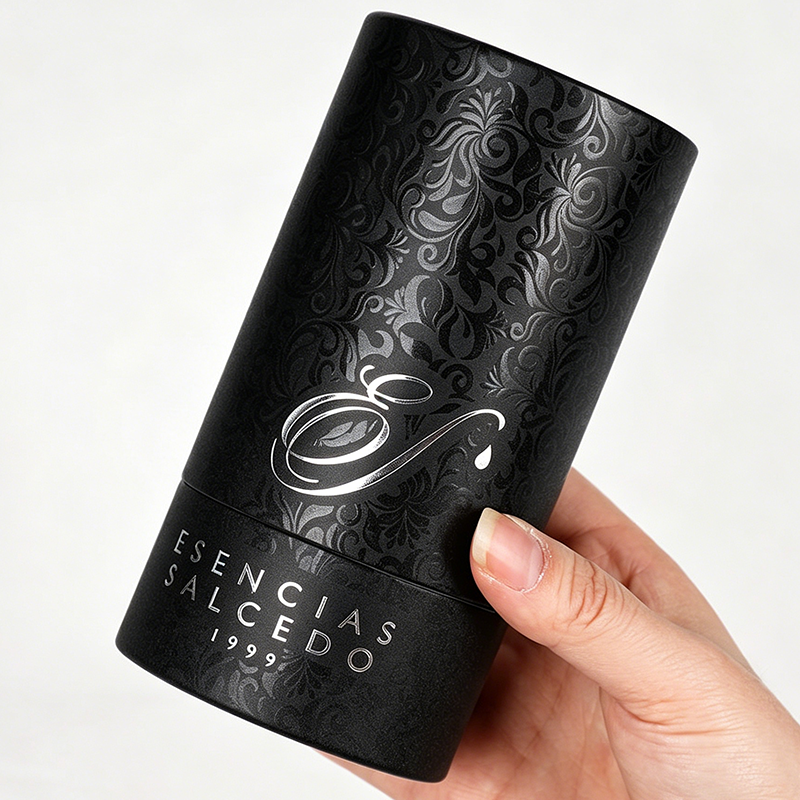
Wrap cylinder containers in dual-textured labels, creating an exciting sensory surprise as the customer rotates the tube package in their hands.
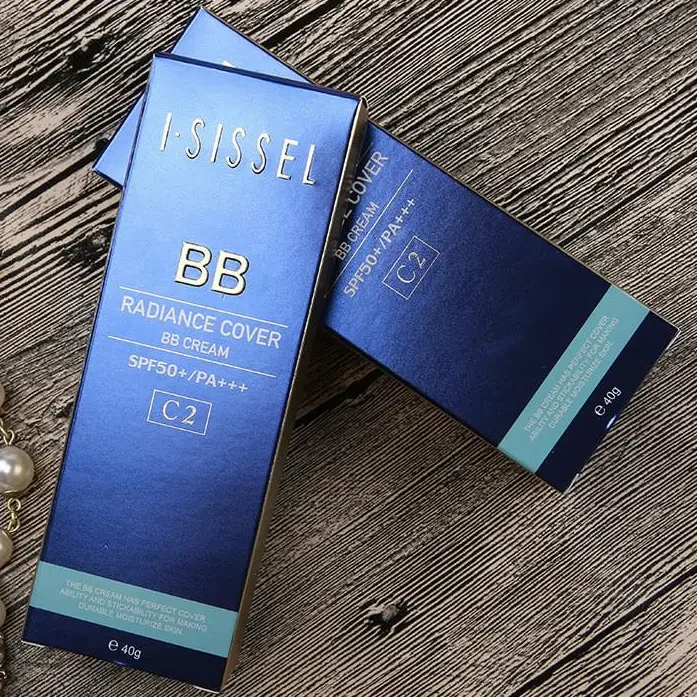
Transform classic paper carriers into boutique items by running a gritty sand texture along the side gussets while keeping the front face gleaming smooth.
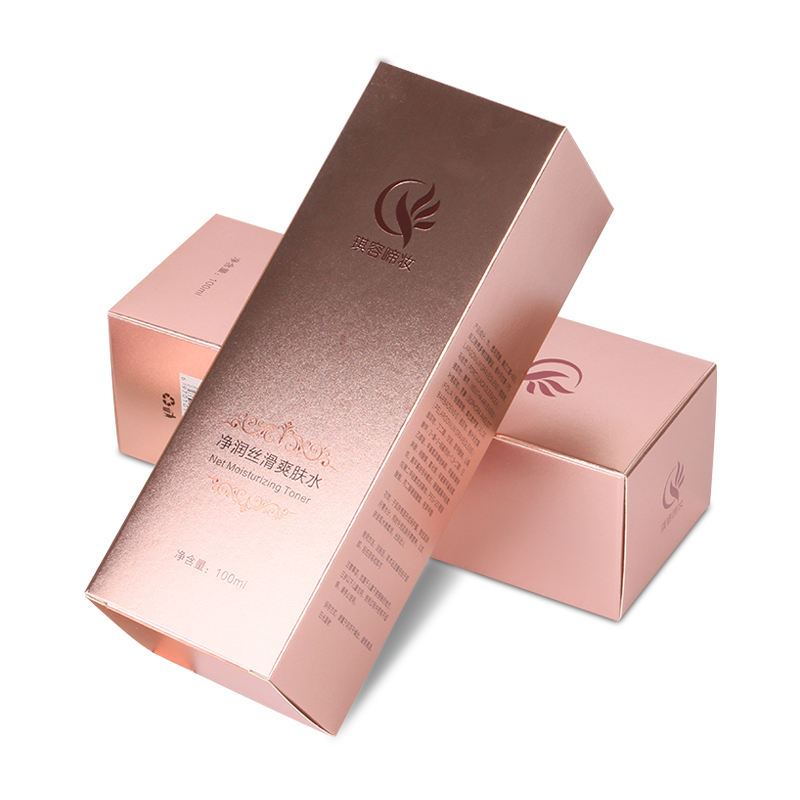
Elevate anti-aging serum packs, organic skincare cartons, and perfume boxes by using wholesale reverse uv packaging solutions to mimic the look of natural morning dew on textured leaves.
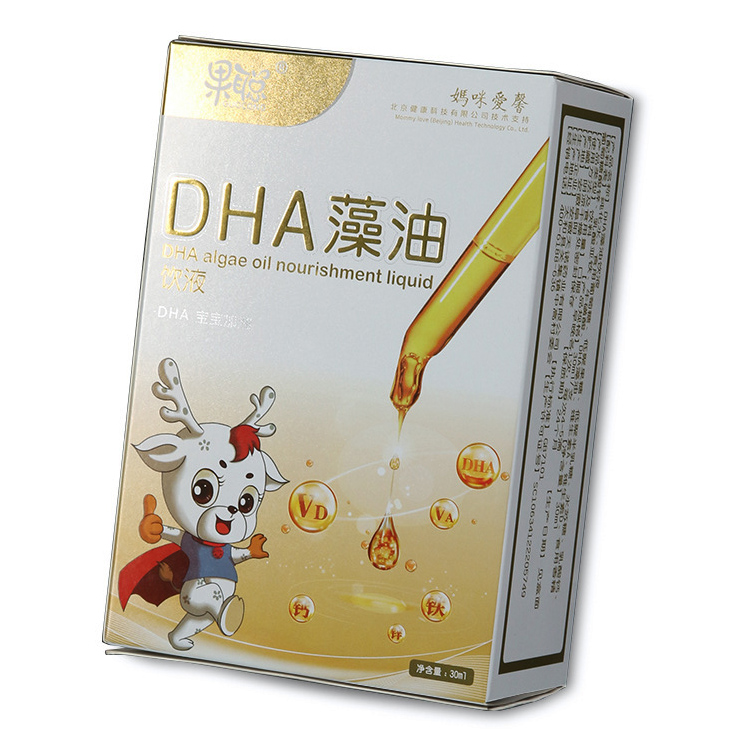
Decorate organic coffee boxes, single-origin chocolate bars, and limited craft beer bottle packs with detailed, touchable textures that tell a story of small-batch quality.
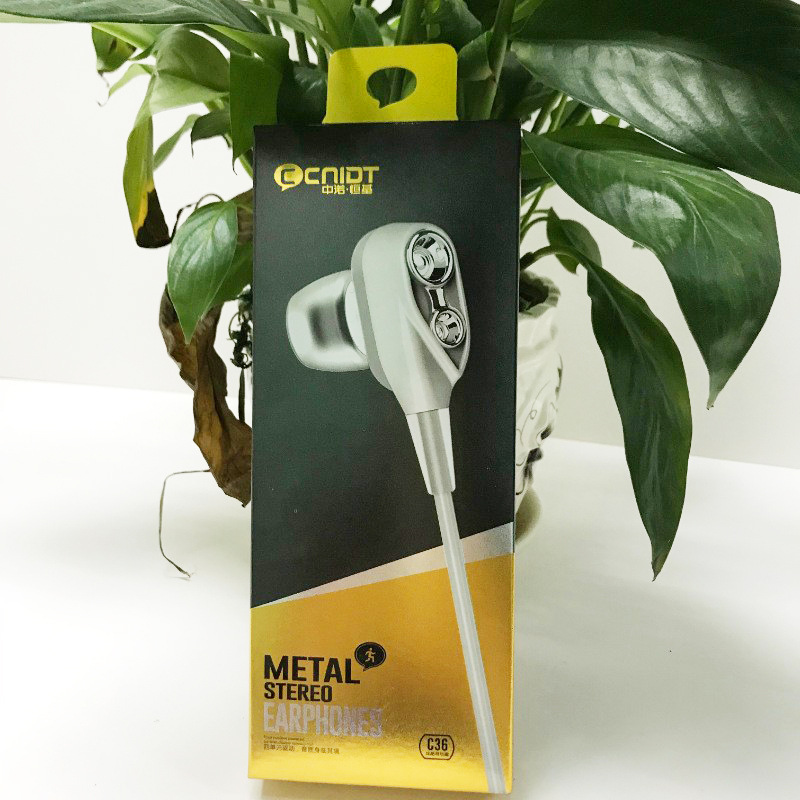
Give advanced wireless earbud sleeves and audio gear packs a high-tech armor appearance that blocks unsightly fingertip smudges during display handling.
250gsm to 450gsm coated art paper, solid bleached sulfate (SBS) board, ivory clay-coated board, and clay-coated kraft paperboards.
High-intensity inline electronic mercury ultraviolet (UV) or modern energy-efficient LED-UV multi-lamp arrays.
Fine Grain (soft, subtle feel), Medium Grain (standard retail contrast), and Coarse Heavy Grain (aggressive sand-like feel).
Highly compatible with post-curing debossing processes, structural scoring, and sharp multi-level mechanical die-cutting.
3,000 sheets per run.
Maximize your shelf appeal by mixing spot gloss with other textured retail packaging options in our facility.
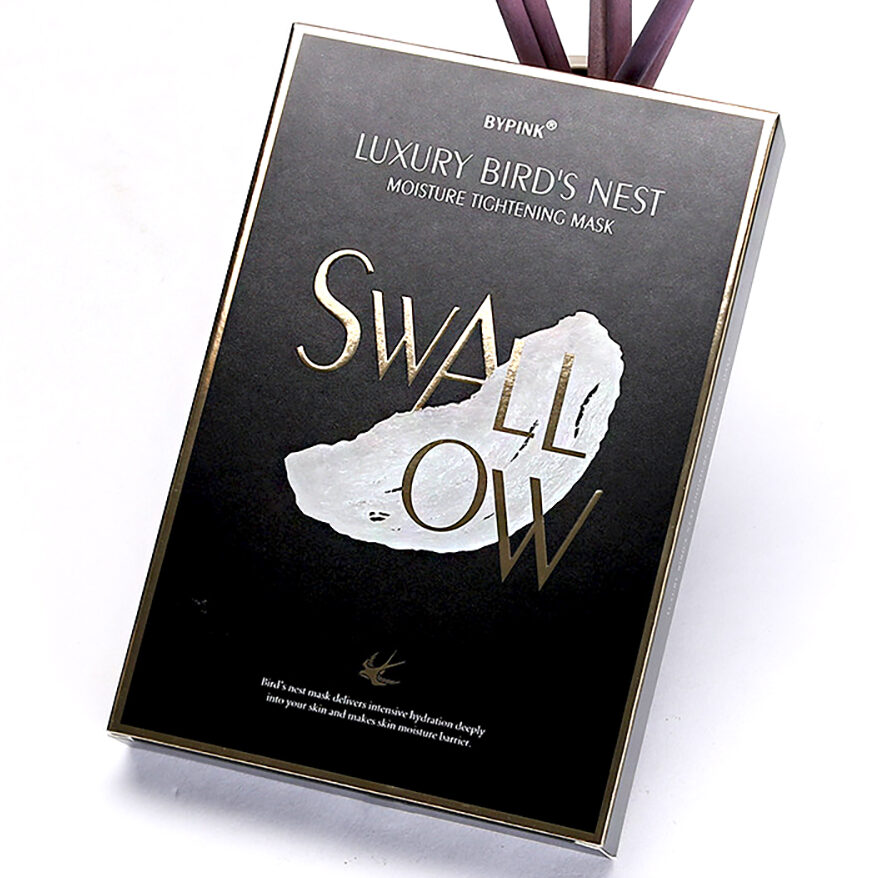
Apply CMYK full-color inks first, then treat selective areas with reverse UV coatings to make high-contrast illustrative branding elements look deep and vivid.
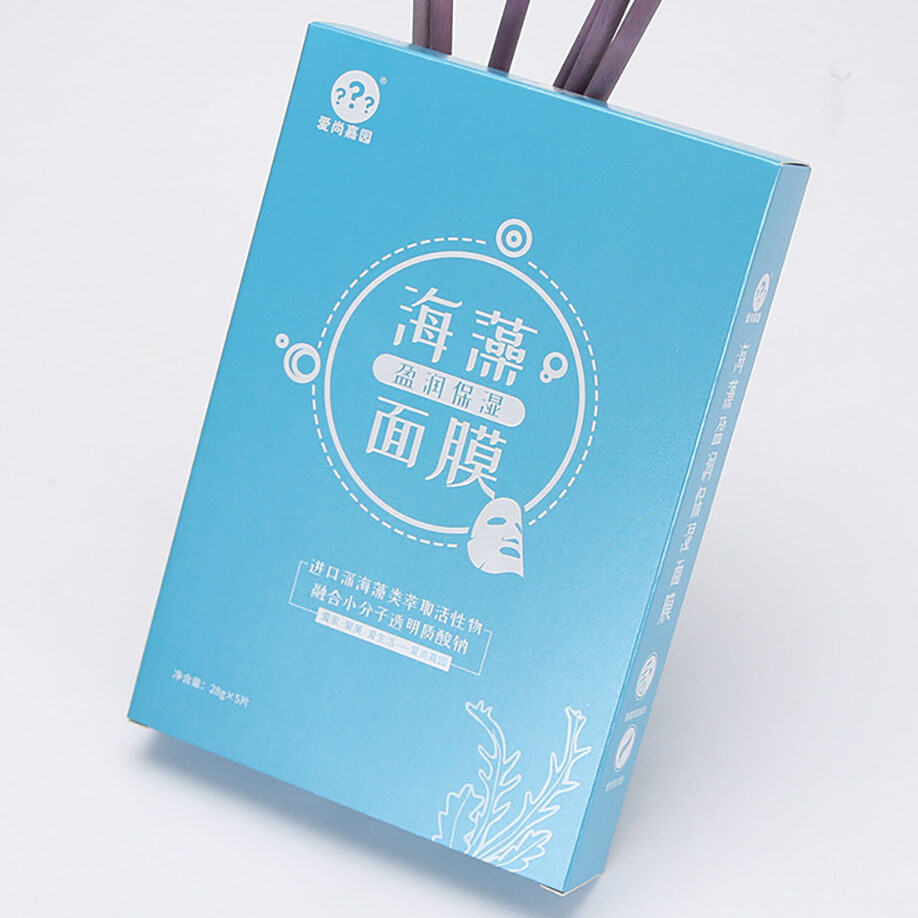
Guarantee immaculate corporate color consistency by printing solid spot-color Pantone ink fields directly beneath a crisp, sand-textured dual-varnish coat.
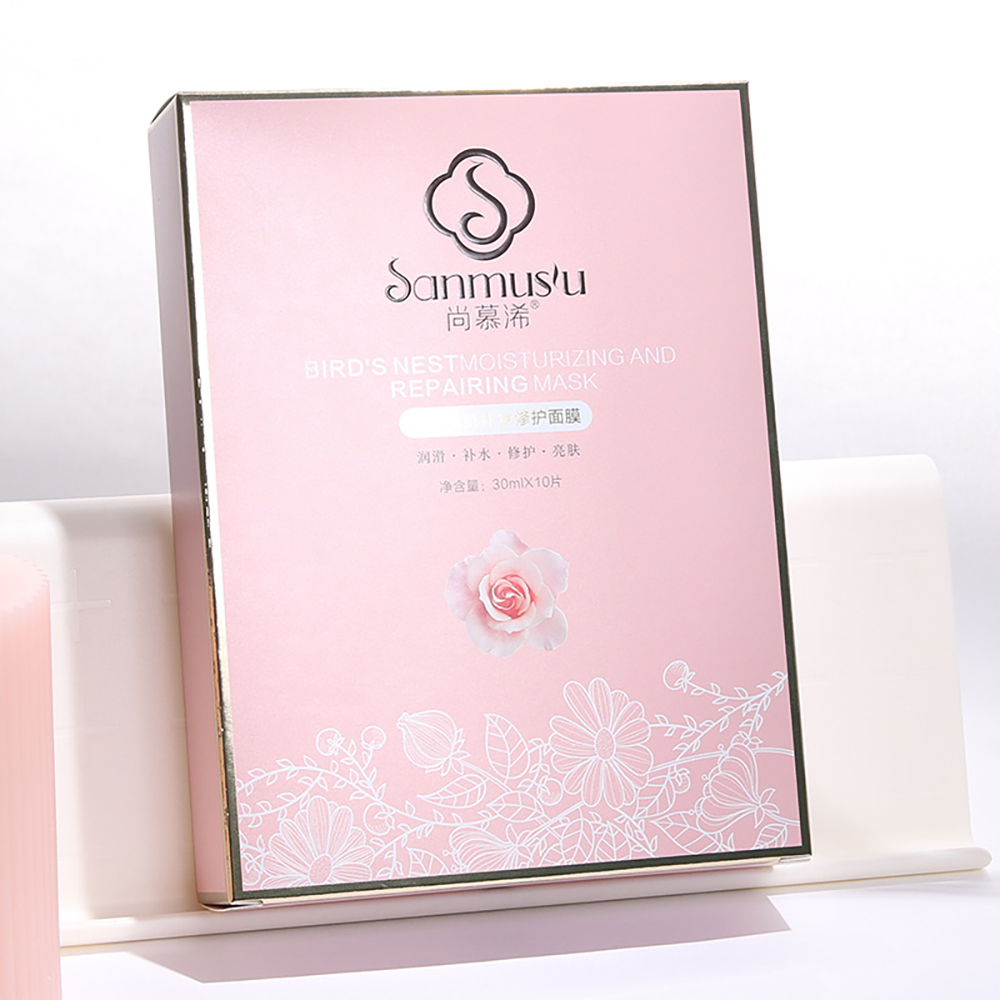
Strike precise mechanical raised dies through the dual-varnish layers to blend a striking physical 3D elevation with a sharp matte-and-gloss visual contrast.
★★★★★
★★★★★
Medium-High
★★★★
★★★
Medium
★★★★
★★★★★
Medium-High
★★★★
★★★★★
Medium
★★★
★★★
Low
★★★★★
★★★★★
High
★★
★★★
Low
As global green laws transform the global packaging landscape, reducing chemical footprints takes center stage. Fortunately, advanced inline ink engineering makes luxury finishing highly responsible.
Because our UV formulations are completely free from liquid chemical solvents, they cure instantly under ultraviolet light wave energy. Consequently, the production process releases zero volatile organic compounds (VOCs) into the surrounding atmosphere.
This process builds magnificent, high-contrast touchable textures directly on raw paper fibers without using plastic lamination films. Therefore, it keeps the material free from heavy petroleum components and reduces overall synthetic plastics usage.
During the commercial card paper recycling process, the cured inline varnish layer shatters cleanly into tiny inert particles. These non-toxic flakes separate easily from the wood pulp matrix, allowing the base paper fibers to re-enter the boxboard manufacturing loop without contamination.
To achieve the sharpest possible chemical rejection contrast, the underlying substrate requires a smooth, clay-coated surface layer. Consequently, if you want to use natural brown kraft, we utilize a white-top or clay-coated kraft paperboard. Subsequently, this allows our varnishes to sit flawlessly on top without soaking deep into raw, porous wood fibers.
Traditional spot UV acts as a separate, slow production stage that requires specialized mesh screens, independent drying tunnels, and manual feeding. Conversely, this advanced chemical process runs entirely inline at blazing fast offset printing speeds. Therefore, it completely removes extra handling labor and drops wholesale unit costs significantly.
No, it does not. Because our raw polymer varnishes feature premium, chemically engineered anti-yellowing stabilizers, they maintain absolute color clarity. As a result, your bright whites and deep corporate branding graphics stay sharp, crisp, and vivid under prolonged exposure to harsh retail storefront lighting.
Depending on your overall graphic design layout, we strategically schedule the manufacturing order. Because hot foil stamping requires a smooth foundation to adhere correctly, our press operators stamp your metallic foils onto the paperboard first. Afterward, we run the sheets through the reverse UV press to seal everything perfectly.
The tightly cured plasticized layer acts as a highly effective water-repellent shield that easily stops accidental rain droplets, moisture, and shipping humidity from softening the paper. Nevertheless, the box remains an organic paperboard item, so the un-coated raw cut edges should not face direct water submersion.
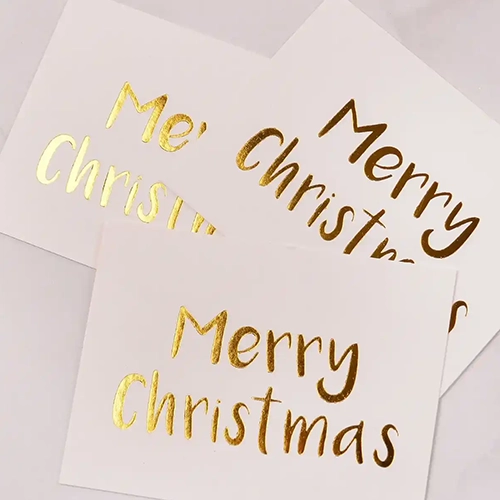
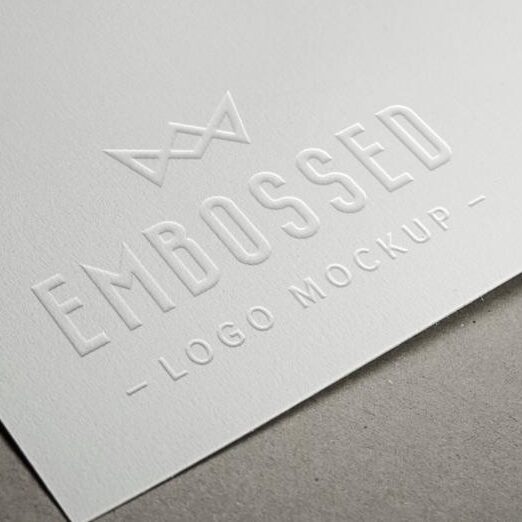
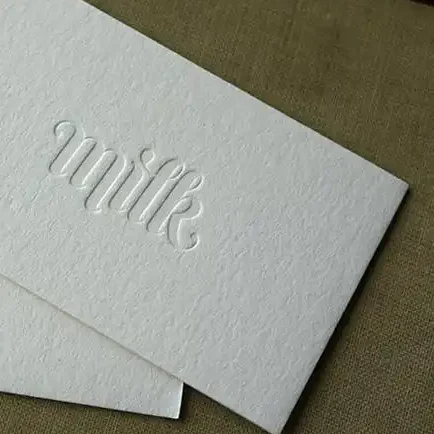

Whether you’re developing luxury cosmetic packaging, premium gift boxes, jewelry packaging, or high-end retail cartons, Gerun Packaging offers custom foil stamping solutions tailored to your brand.
Tel:+86 13723475723
Add:building 10, zone 14th, taoyuanju, xixiang street, Bao'an district, Shenzhen, 518126, China
Connect us by scan whatsApp

CUSTOM PACKAGING SUPPLIER FOR COSMETIC, GIFT, FOOD AND SHIPPING | 2026 COPYRIGHT BY GERUN PACKAGING
Tell us your packaging requirements and receive a reply within 12 hours.